Boutique 3PL vs Enterprise 3PL: Where Brands Actually Belong
Big 3PLs win on price per unit. Boutique 3PLs win on the things that make a brand a brand. Knowing which fits is a strategy decision, not a vendor choice.
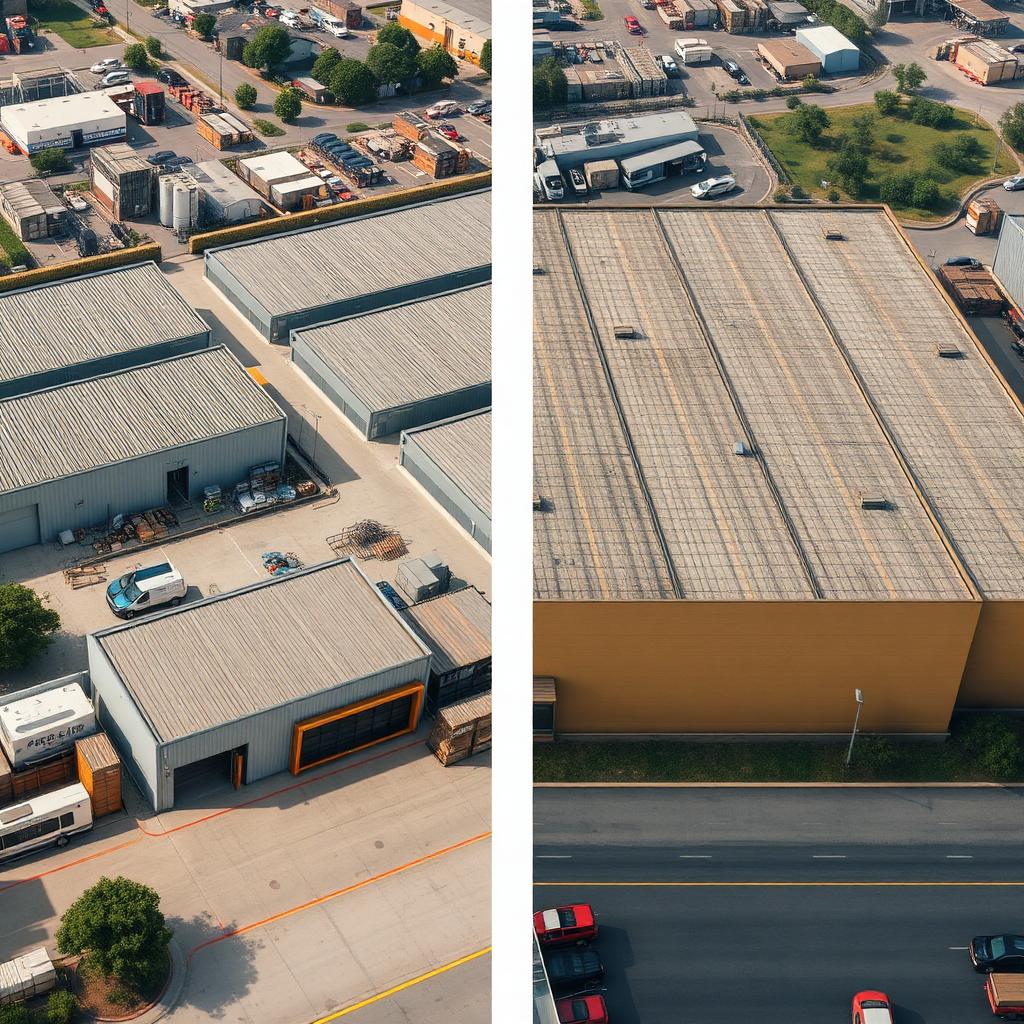
When a growing brand starts shopping for a 3PL, the first instinct is to compare quotes. The enterprise 3PL's per-unit pick fee will almost always be lower. The boutique 3PL's will look high by comparison. If the decision stopped there, the boutique category wouldn't exist. It does, and it's growing, because per-unit pricing is the wrong way to compare these two business models.
The honest framing: enterprise and boutique 3PLs are different products solving different problems. Some brands belong with one. Some brands belong with the other. A few belong with both, in different lifecycle stages. Knowing which is which is a strategy decision, not a procurement decision.
What enterprise 3PLs are actually good at
Enterprise 3PLs win on scale economics. They operate giant facilities with automation, dense labor pools, deep carrier discounts, and rate cards optimized for high-volume, predictable SKU mixes. If you ship a million units a year of relatively few SKUs in standard packaging, an enterprise 3PL will move them cheaper than anyone else and you should let them.
What enterprise 3PLs are not good at is being flexible. The same scale that drives the price down means a custom packing instruction is a ticket, a non-standard insert is a project, and a one-time kitting request is a quarterly contract amendment. None of this is malicious. It's how the operating model has to work at that scale.
What boutique 3PLs are actually good at
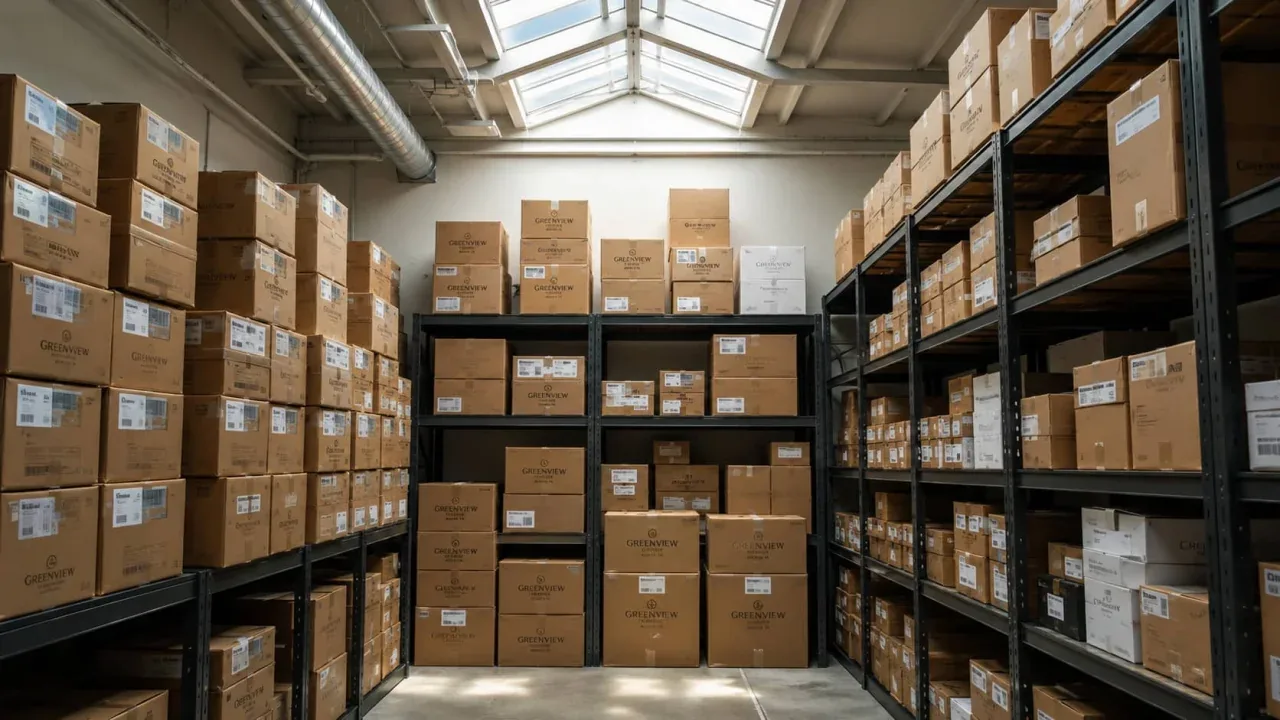
Boutique 3PLs win on operational empathy. The account manager knows your brand. The pickers know your packaging. The dock manager will text you a photo of a damaged inbound pallet before logging it as a discrepancy. Custom inserts, hand-written notes, gift wrap, seasonal kitting, sample orders for influencer drops, these happen without a ticket because the same person who quoted them is the same person who runs them.
The trade-off is unit cost. Boutique 3PLs charge more per pick, per pallet, per item because they spread their fixed cost across fewer clients and they're doing more skilled work per unit. The pitch isn't "we're cheaper." The pitch is "we'll do the things that make your unboxing video what it is, at a price that's still reasonable for your stage."
Where each model is the wrong choice
Enterprise 3PLs are the wrong choice for brands whose differentiation lives in the unboxing experience, brands with frequent SKU rotation, brands that depend on creative one-off campaigns, and brands under fifty thousand units a year (you won't get the attention you need).
Boutique 3PLs are the wrong choice for brands shipping massive volumes of standard SKUs, brands competing primarily on shipping speed and price, and brands that don't actually need any customization (you'll pay for service you won't use).
How software differs across the two models
The systems run differently. Enterprise 3PLs run on heavily integrated, high-throughput WMS platforms optimized for automation and labor management. The user experience is dense, the customization is limited, and the strength is rock-solid execution at scale.
Boutique 3PL software, increasingly, looks like the opposite: lightweight to set up, strong on per-client branding and portals, and built for the reality that every client is going to have at least one weird requirement. Modern boutique 3PL platforms treat the client as a first-class object, with their own billing rules, their own inventory, their own portal, and their own integrations, all from a single multi-tenant warehouse system.
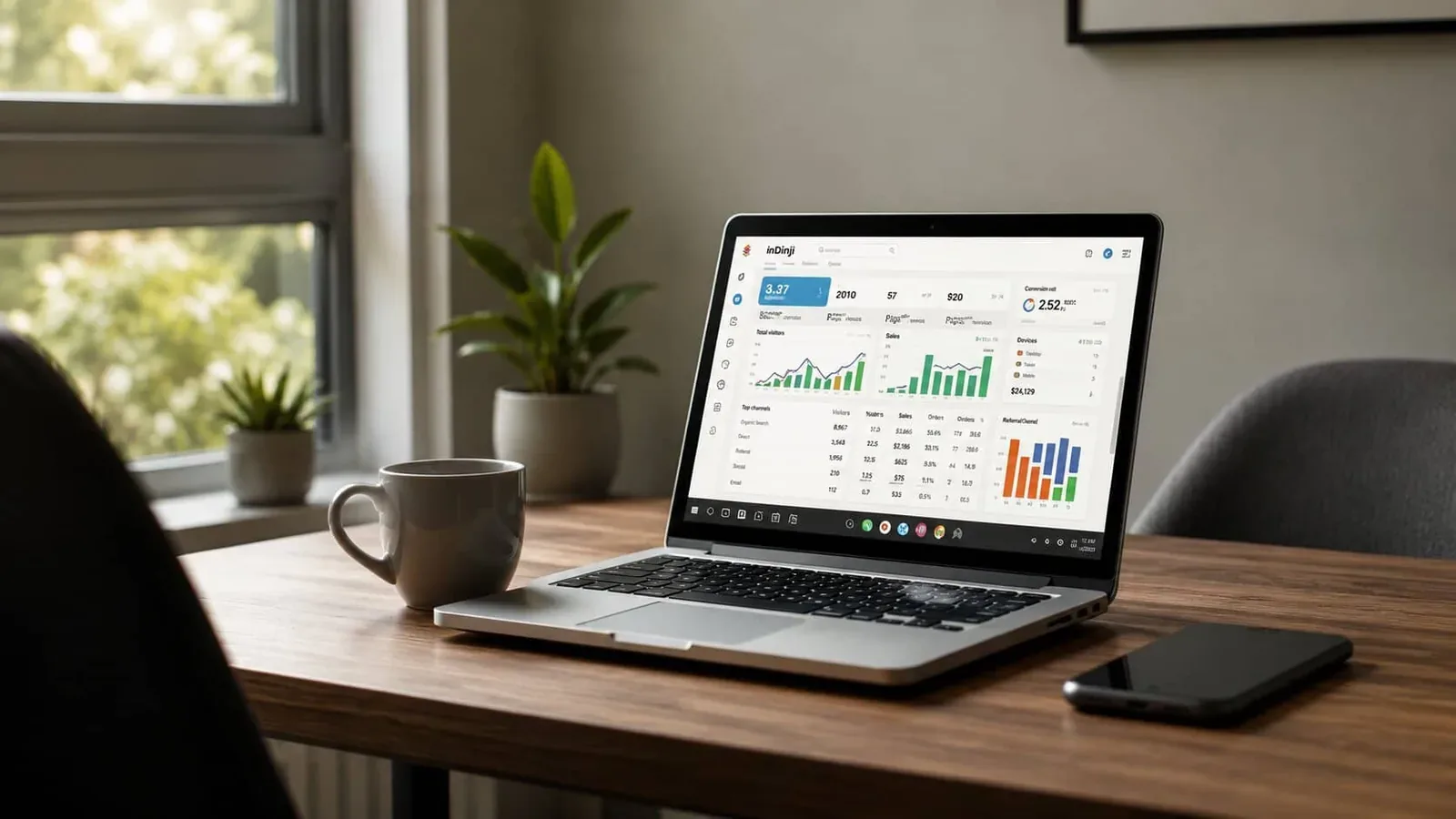
A brand evaluating a boutique 3PL should ask to see this directly. Log into the demo portal as a sample client. Look at how the dashboard, inventory list, order list, and reports are presented. Ask whether the URL, logo, and color scheme can be branded to the client. If the answer is "we send PDFs," you're looking at an enterprise tool with a small-business price.
A practical sequence for growing brands
Many brands end up in both categories at different times. The pattern that works:
- Stage 1 (0-100k units/year): Boutique 3PL. The operational flexibility outweighs the per-unit cost.
- Stage 2 (100k-1M units/year): Boutique 3PL, possibly with a second boutique partner in a different region for shipping speed.
- Stage 3 (1M+ units/year): Add an enterprise 3PL for the high-volume standard SKUs while keeping a boutique partner for limited editions, subscription boxes, and direct-to-influencer programs.
The mistake is jumping to Stage 3 too early, before the volume justifies the rigidity. The other mistake is staying in Stage 1 too long, when the boutique partner is doing heroic work to keep up with volumes the model wasn't designed for.
Pick the model that matches the stage. Renegotiate when the stage changes. And don't let a quote per unit be the only number that decides where your brand lives.
Frequently asked questions
What is the real difference between a boutique and an enterprise 3PL?
Enterprise 3PLs operate large automated facilities with dense labor pools and deep carrier discounts, optimized for high volumes of predictable SKUs. Boutique 3PLs run smaller operations where the account manager knows the brand and custom work happens without a change order. The trade is unit cost against flexibility.
When is an enterprise 3PL the wrong choice?
When your differentiation lives in the unboxing experience, when SKUs rotate frequently, when campaigns require one-off kitting, or when you ship under about fifty thousand units a year and simply won't get the attention you need.
When is a boutique 3PL the wrong choice?
When you ship massive volumes of standard SKUs, when you compete primarily on delivery speed and price, or when you genuinely need no customization — in that case you are paying a service premium you will never use.
How does the software differ between the two models?
Enterprise 3PLs run dense, high-throughput WMS platforms tuned for automation and labor management, with limited customization. Boutique platforms treat each client as a first-class object with their own rates, inventory, portal, and integrations inside one multi-tenant system.
How can a brand evaluate a boutique 3PL's technology?
Ask to log into the demo portal as a sample client. Look at the dashboard, inventory list, order list, and reports, and ask whether the logo, colors, and URL can carry your brand. If the answer is “we send PDFs,” you are looking at an enterprise tool at a small-business price.
Should a growing brand ever use both?
Frequently. A common pattern is boutique up to a hundred thousand units a year, boutique plus a second regional partner to a million, then an enterprise partner for high-volume standard SKUs while a boutique partner keeps limited editions, subscription boxes, and influencer programs.