How to Automate Monthly Storage Billing Without Losing the Personal Touch
Recurring billing, auto-charge on file, and aging reports can run themselves, without making your customers feel like a line item.
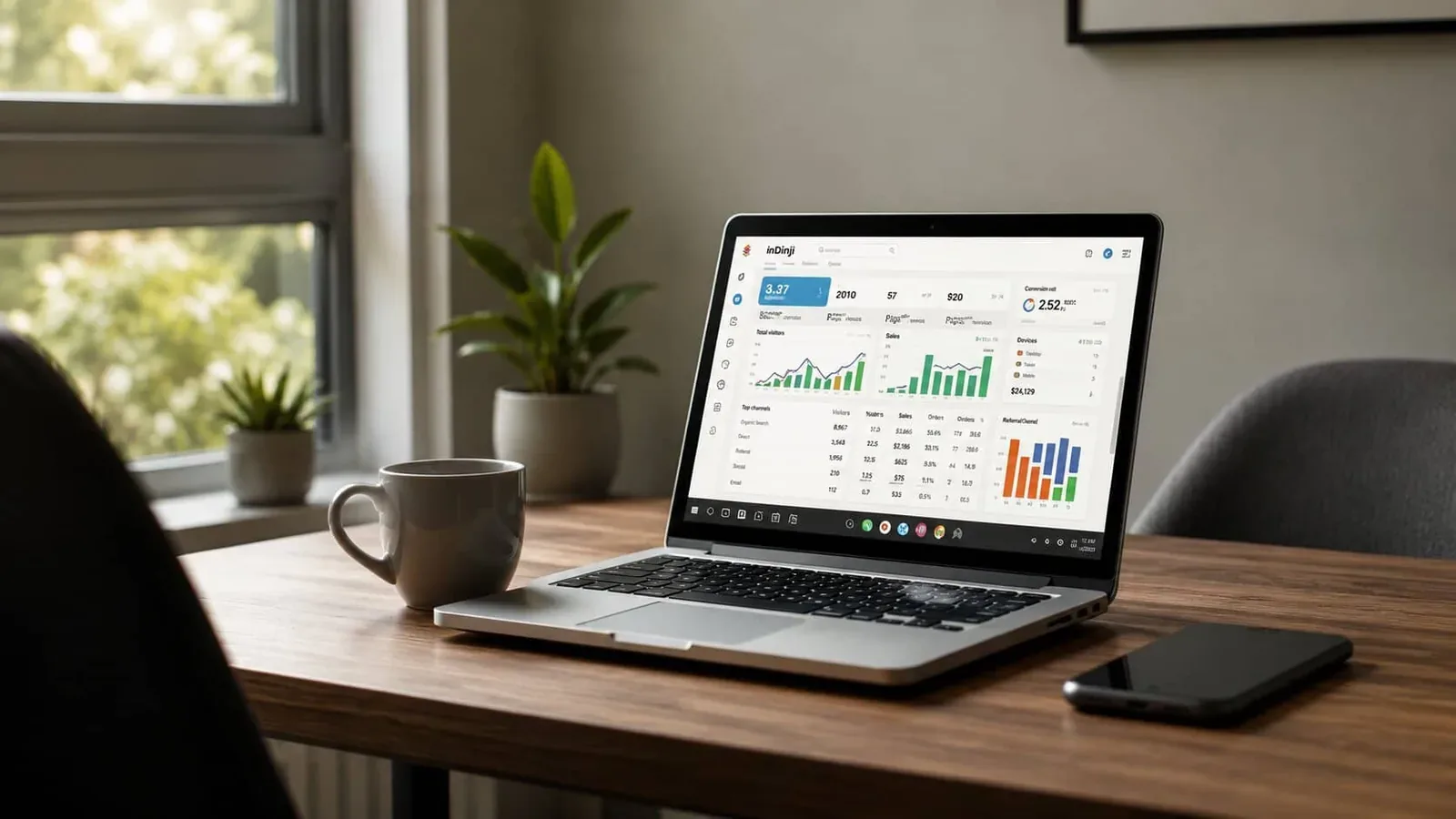
Storage is one of the few businesses where the same invoice goes out the same day every month, often for years. That's a gift to operations, predictable revenue, predictable workload, and a curse to anyone still doing it by hand. Even at fifty customers, generating, sending, and chasing fifty invoices a month is a job nobody enjoys.
The good news is that recurring storage billing is the most automatable part of the entire business. The bad news is that automation done badly turns a long-term customer relationship into a series of cold transactional emails. The goal is to automate the mechanics without automating the relationship.
What "automated" actually means
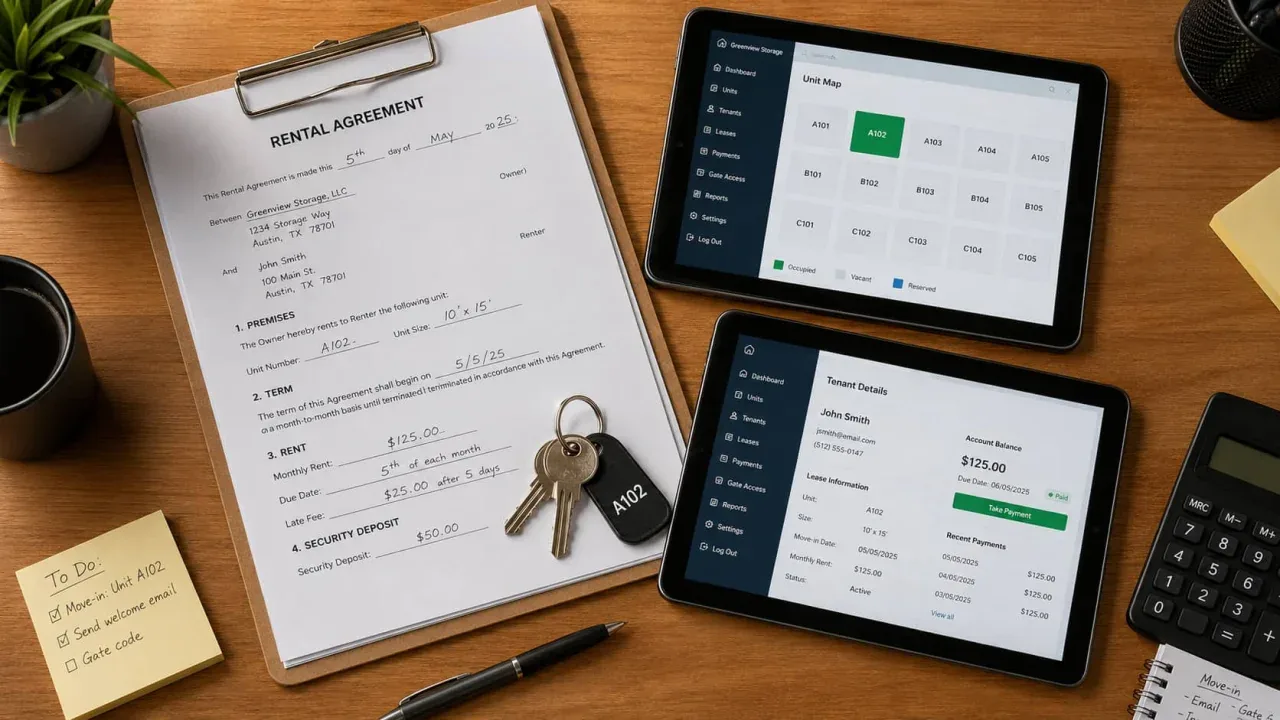
A modern storage billing setup has four moving pieces working together:
- Recurring invoice generation that fires on a schedule per customer.
- Card or ACH on file so most invoices auto-charge without any human in the loop.
- Aging reports that flag overdue accounts before they become collections problems.
- Scheduled reminders that go out before the due date, on the due date, and at fixed intervals after.
When all four are in place, your team should only ever look at billing for two reasons: to onboard a new customer and to handle the small percentage of accounts that genuinely need attention.
The cards-on-file conversation
The single biggest unlock is getting payment methods on file at signup. Customers are far more open to it now than they were five years ago, they already auto-pay for everything from streaming services to insurance. Frame it as a convenience, not a policy. Offer ACH for the larger accounts that hate card fees. Make it part of the standard onboarding flow, not a separate ask three months in.
Once the card is on file, late payments stop being a billing problem and start being a card problem, expired, declined, replaced. That's a much smaller, much more solvable category than "did the customer remember to mail a check?"
Keeping it human
Automation should be invisible to good customers and helpful to confused ones. A few small choices preserve the relationship:
- Use the customer's first name in the email, not "Dear Valued Client."
- Send the invoice from a real reply-to address that a human actually monitors.
- Include a one-line summary at the top, "April storage for unit 214, $185.00, auto-charging your Visa ending 4242 on the 5th."
- When something fails, surface it to staff fast, and have a real person reach out before sending a stiffer reminder.
The customers who stay with you for ten years are not the ones who got the most aggressive collections emails. They're the ones who never had to think about billing at all, except for the one time something went wrong and a real person fixed it the same day.
The aging report you actually use
Most aging reports are theater. They show you a wall of red numbers and ask you to do something about it. A useful aging report does three things instead: it sorts overdue accounts by likely root cause (declined card, expired card, dispute, no method on file), it surfaces the next action you should take, and it tracks how long it's been since anyone touched the account.
Combine that with a quick weekly review, fifteen minutes is usually enough, and you'll catch ninety-five percent of issues before they cross sixty days. The remaining five percent is where judgment matters, and that's exactly where you want a human, not an automation.
The compounding effect
Storage businesses that nail recurring billing report two things consistently. First, days sales outstanding drops by half or more in the first quarter. Second, and more interesting, retention goes up. Customers who never get a billing surprise, no missed invoices, no awkward late fees, no "we sent it to your old email", simply stay longer. Boring billing is good billing. Make it boring on purpose, and use the time you save to actually talk to your customers.
Frequently asked questions
What does automated storage billing include?
Four pieces: recurring invoice generation on a per-customer schedule, a saved card or ACH on file that auto-charges, an aging report that flags overdue accounts by root cause, and scheduled reminders before, on, and after the due date.
How do I get customers to put a card on file at signup?
Frame it as a convenience, not a policy — most customers already auto-pay for streaming, insurance, and utilities. Make it part of standard onboarding rather than a separate ask three months later. Offer ACH for larger accounts that dislike card fees.
What's a good DSO target for a self-storage business?
With cards on file and a real aging report, days sales outstanding typically drops below 10 days within a quarter. Operators still mailing paper invoices often sit above 30.
How often should I review my aging report?
A 15-minute weekly review usually catches 95% of issues before they cross 60 days. The remaining 5% is where human judgment matters and where you want a real person, not automation.
Does auto-pay hurt customer relationships?
Only if it's invisible when something goes wrong. Auto-pay plus a real reply-to address, plain-language line items, and fast human follow-up on failures actually improves retention because customers never have to think about billing.
What happens when a card on file expires or declines?
A good billing system flags the decline immediately, attempts a retry on a sensible schedule, and surfaces it to staff so a real person can reach out before any stiffer collections message goes out.