Beyond Unit Numbers: Why Item-Level Inventory Is the Future of Self-Storage
Tracking what's inside each unit, not just which unit is rented, is becoming the new baseline for modern self-storage and valet storage operators.
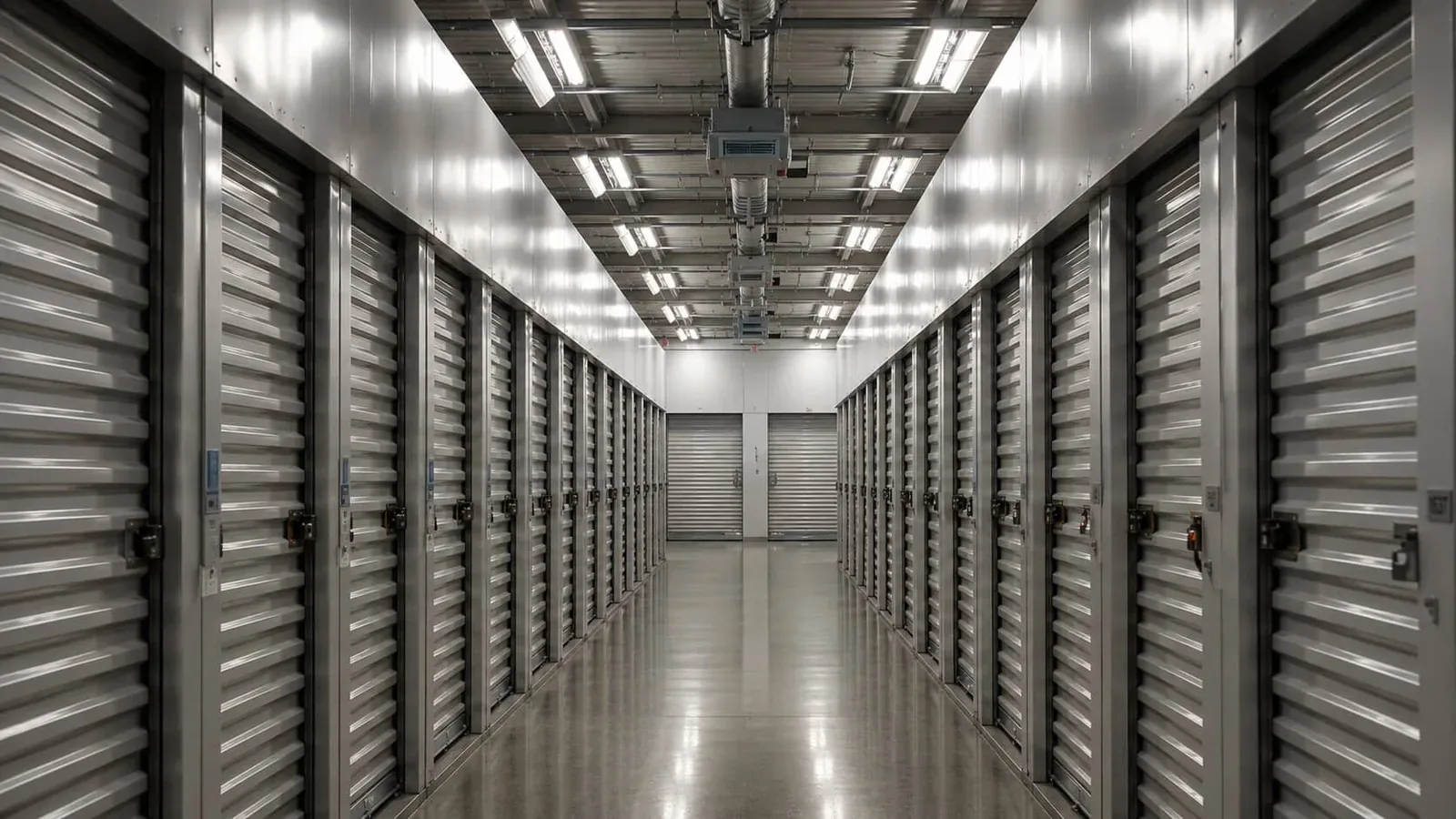
For decades, the self-storage business model was elegantly simple: rent someone four walls and a roll-up door, hand them a key, and bill them every month. The contents inside were the customer's problem. The unit number was your unit of measure.
That model still works for traditional self-storage. But a growing share of the industry, valet storage, climate-controlled facilities, business storage, and white-glove operators, is moving past it. Their customers don't want to drive across town with a hand truck. They want to log in, see what they have, and ask for a specific item back. That single shift changes everything about how the operation has to be run.
From real estate to logistics
The moment you offer pickup and delivery, you stop being a real-estate business and become a logistics business. Real-estate operators measure occupancy by square footage. Logistics operators measure it by item count, dimensions, weight, and condition. Real-estate operators bill by the unit, monthly. Logistics operators bill by storage plus services, pulls, deliveries, repacks, photography. The accounting categories are different. The KPIs are different. The software has to be different too.
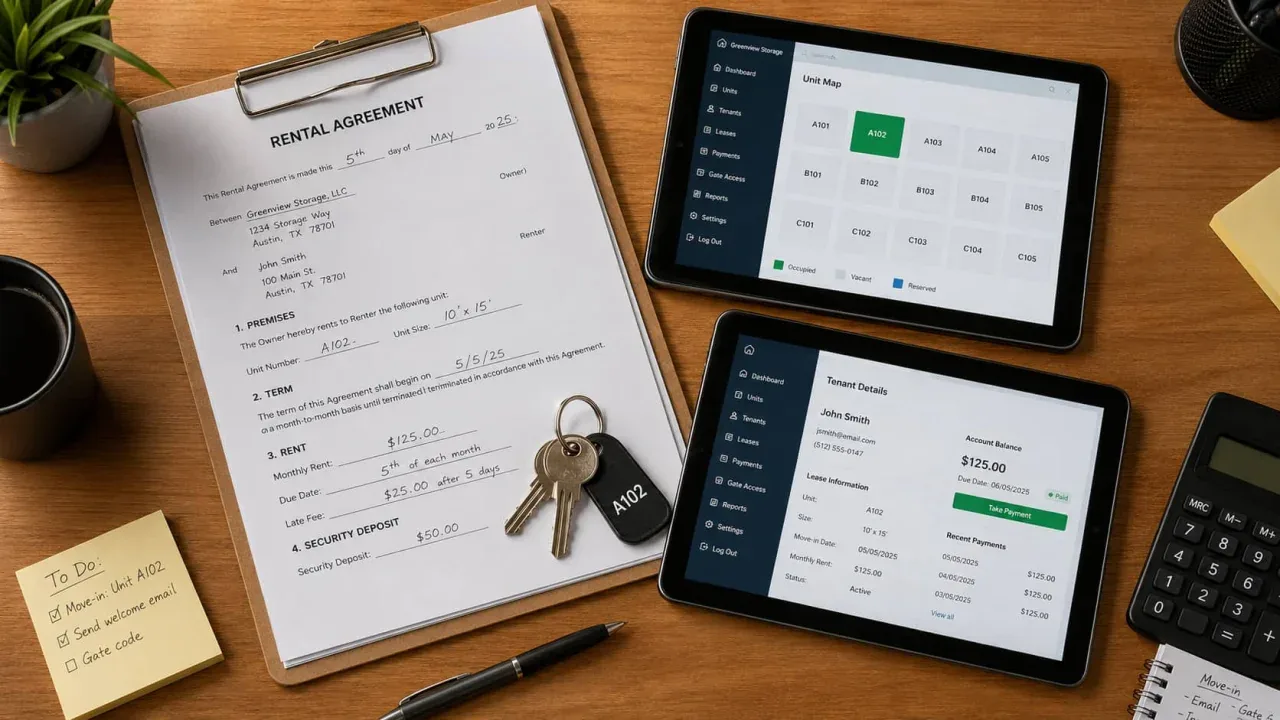
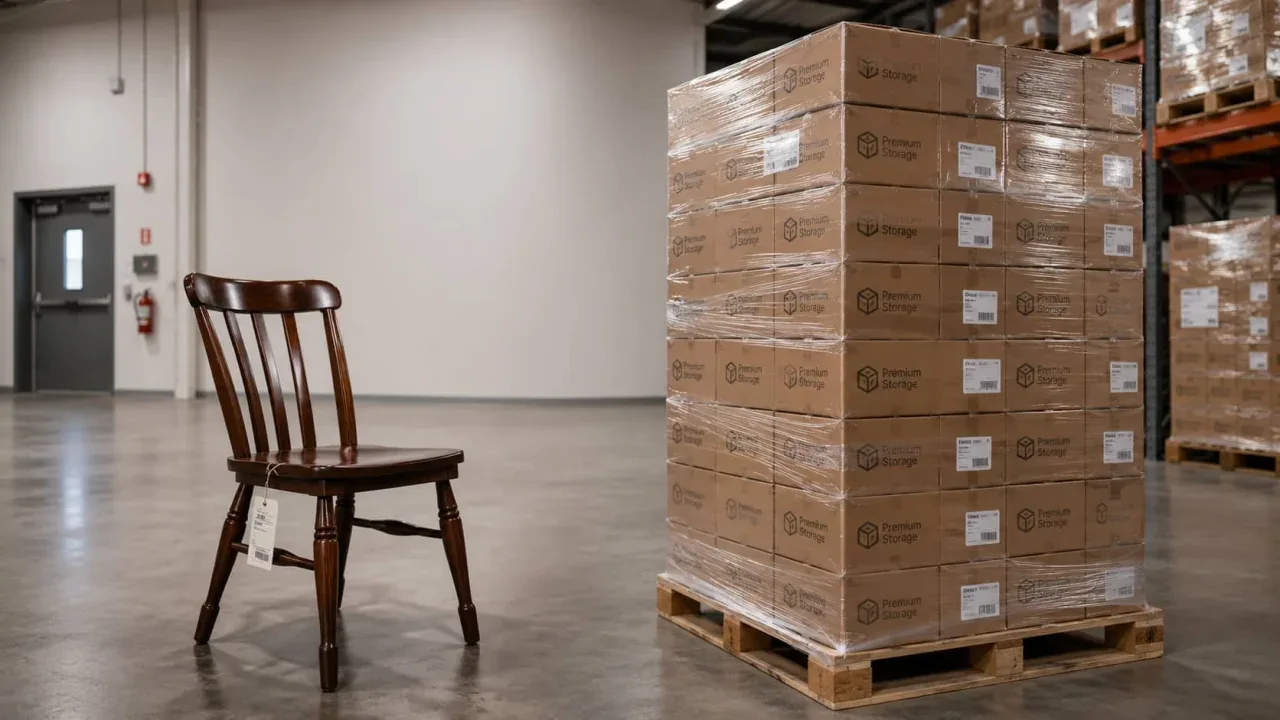
Most legacy storage management software was built for the real-estate model. It tracks units, leases, gate access, and late fees beautifully. It does not track that an oak dining table lives in unit 214, that it weighs 180 pounds, that it was last photographed on March 12, and that it should be pulled and delivered next Thursday at 9 a.m.
What item-level inventory actually unlocks
Once each item has its own record, a long list of capabilities becomes possible, most of which directly affect revenue:
- Self-service retrieval. Customers browse their own collection in a portal and request specific pieces. You charge a service fee per pull.
- Per-item insurance valuations. You can offer real coverage instead of a flat per-unit policy, and price it accurately.
- Condition documentation. Photos at intake protect you from damage disputes that would otherwise be one person's word against another's.
- Smarter pricing. A unit full of bulky low-value boxes and a unit full of fragile high-value art shouldn't cost the same to store, and now you have the data to prove it.
- Cleaner audits. When a customer asks "do you still have my grandmother's chest?" you don't have to drive out and physically check.
The intake bottleneck
The honest objection is that item-level inventory is more work at intake. Someone has to photograph each piece, label it, and record dimensions and condition. That's true. The good news is that the work is now mostly mobile-first and QR-based. A staff member with a phone can intake a hundred items in an afternoon. The labels print from the same phone. The photos upload as they're taken.
Operators who have made the switch report that the extra fifteen minutes per intake pays for itself the first time a customer asks for a single chair instead of access to the whole unit, or the first time a damage claim is settled in five minutes instead of fifty emails.
Where this is heading
Self-storage as a category is splitting into two clear lanes. One is large-scale, drive-up, low-touch, optimized for square footage. The other is service-oriented, item-level, and increasingly indistinguishable from white-glove logistics. Both are good businesses. They just require very different operating systems.
If your customers are starting to ask for pickups, deliveries, or photos of what they have stored, you are not in the first lane anymore. The sooner your software reflects that, the sooner the rest of the operation, billing, staffing, pricing, marketing, can catch up.
Frequently asked questions
What is item-level inventory in self-storage?
Item-level inventory means each physical item your facility holds — a chair, a box, a crate, a piece of art — has its own record with photos, dimensions, condition notes, and a precise location. Traditional facility management software only tracks the rented unit; item-level software tracks what's inside it.
How is valet storage different from traditional self-storage?
Traditional self-storage rents floor space. Valet storage picks up, stores, and returns specific items on demand — so it's effectively a small logistics business. That shift requires software built around items and service requests, not leases and gate codes.
Do I need item-level tracking if I only rent drive-up units?
Probably not. If customers always retrieve their own contents and you never charge for pulls, deliveries, or photography, facility management software will serve you well. The moment you offer any pickup, delivery, or per-item service, item-level inventory pays for itself.
How long does item-level intake take per customer?
With a mobile app and QR labels, a staff member can intake roughly 100 items in an afternoon. The extra ~15 minutes per intake pays for itself the first time a customer asks for a single item instead of access to the whole unit.
Can item-level inventory help with insurance claims?
Yes. Per-item photos taken at intake (with timestamps) end most damage disputes in a single conversation. You can also offer accurate per-item insurance valuations instead of a flat per-unit policy.
What software supports item-level storage?
Look for an item-level storage and warehouse management platform with mobile intake, QR/barcode support, a customer portal, recurring billing, and service requests for pickups and deliveries. Stowley is built for exactly this category.