Storage Software vs. Self-Storage Facility Management Software: How to Choose
Both are called storage software, but they solve very different problems. Here is how to tell which side of the line your operation is on.
Search for "storage software" and you will find two completely different categories sharing one label. One is built around units, leases, and gate codes. The other is built around items, photos, and deliveries. Picking the wrong one is one of the most expensive operational mistakes a storage business can make, and it is also one of the easiest to avoid once you know what to look for.
The two categories, plainly
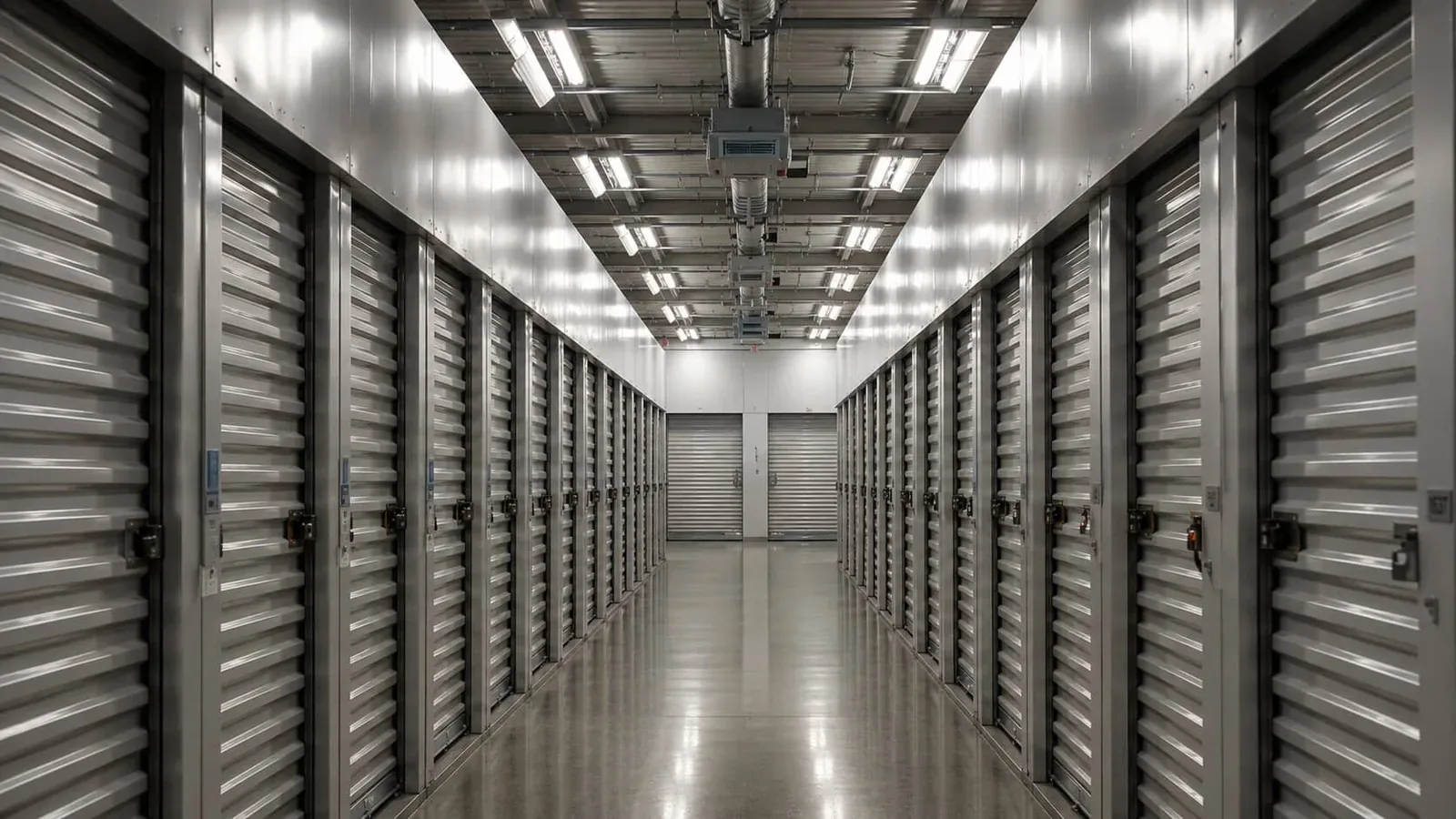
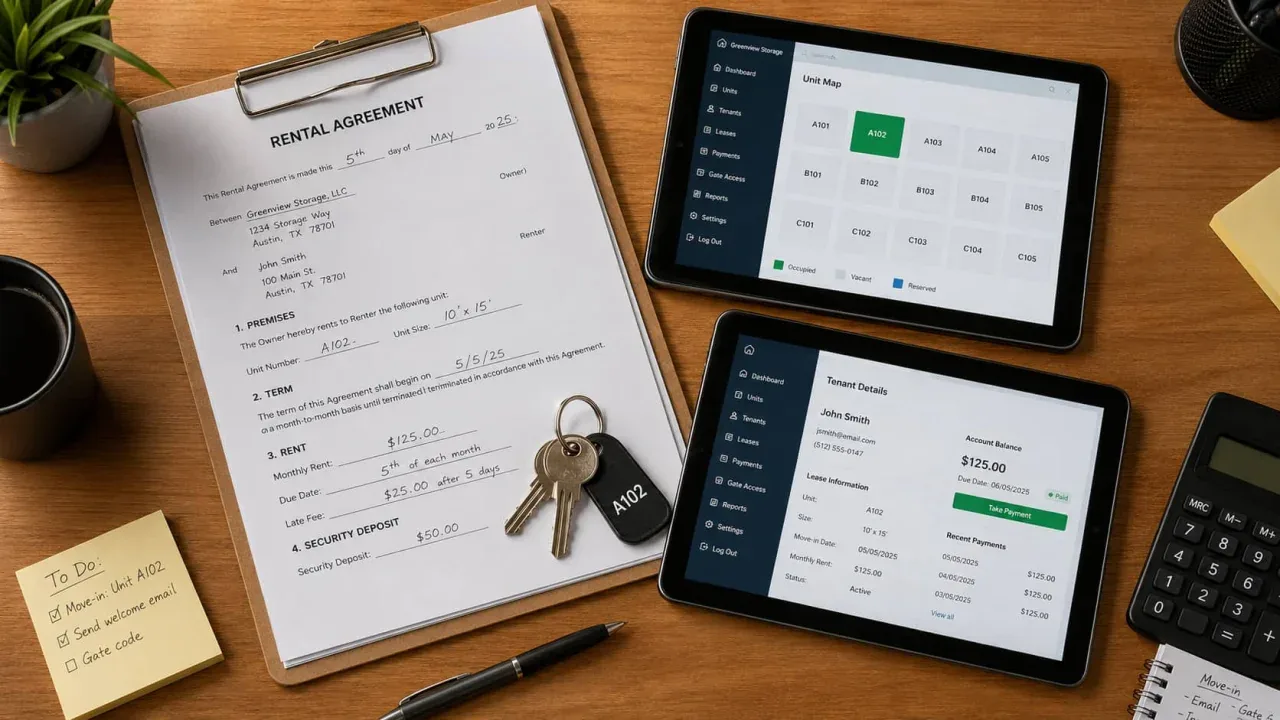
Facility management software is real-estate software. The unit of measure is the rented unit. The core features are leasing, gate access, late fees, and occupancy reporting. If you run drive-up self-storage where customers come and go with their own stuff, this is the right tool, and it is very good at what it does.
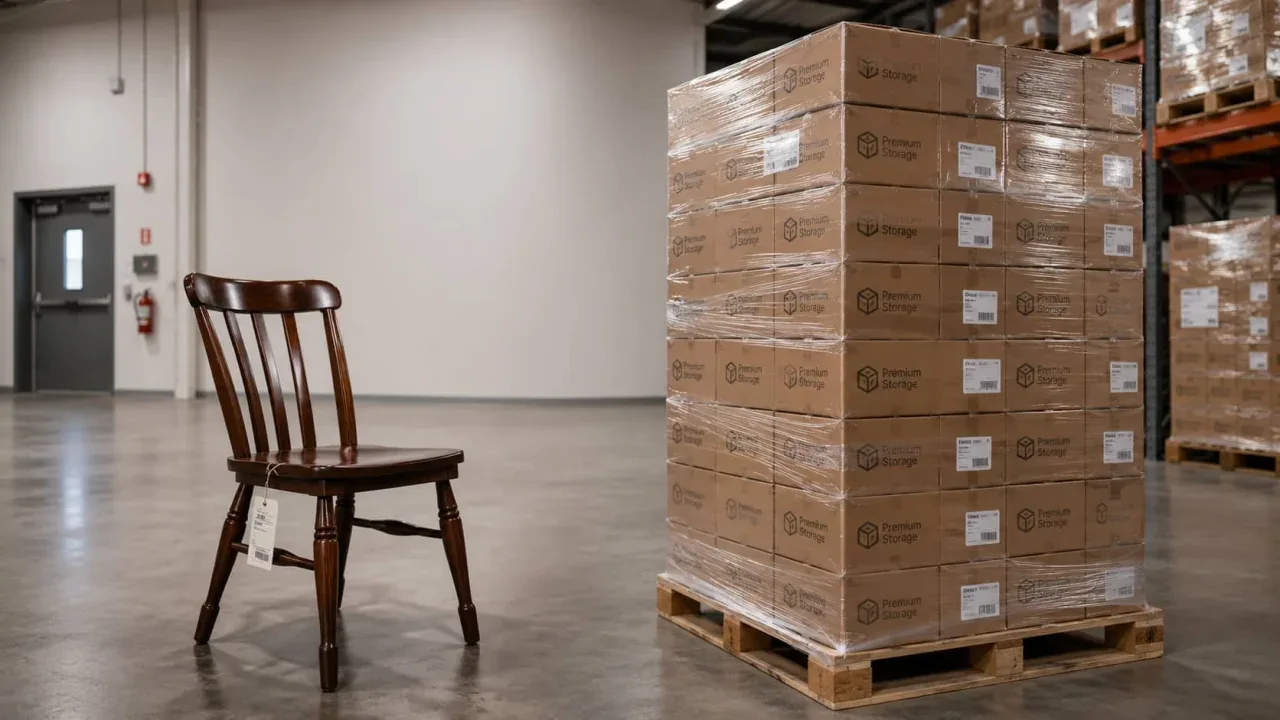
Item-level storage software is logistics software. The unit of measure is the individual item. The core features are intake photos, location tracking down to the bin, client portals, service requests, and recurring billing tied to what is stored, not just which unit is leased. If your customers expect pickups, deliveries, or photos of their belongings, this is the right tool.
A two-question test
You can usually decide in under a minute. Ask:
- Do my customers ever ask "can you grab the one box with my winter coats" instead of "can I get into my unit"?
- Do I, or would I like to, charge for pickups, deliveries, repacks, or photography?
If the answer to either is yes, you are running a logistics business and you need item-level storage software. If the answer to both is firmly no, facility management software will serve you well and probably cost less.
The gray zone
A lot of operators sit between the two. They started as drive-up self-storage and added a valet service. Or they run white-glove logistics and use a corner of the warehouse as overflow storage. The honest answer for the gray zone is that facility software cannot grow with you, but logistics software can shrink to handle simple rentals if you need it to. The cost of switching later, after you have years of leases and customer history in the wrong system, is almost always higher than the cost of picking the right tool now.
What the wrong choice actually costs
Operators who picked facility software and then bolted on services typically end up running two systems and a spreadsheet to bridge them. Customers get inconsistent experiences, billing breaks in interesting ways, and staff lose time reconciling between tools. None of that shows up as a single line in your P&L, which is why it goes unnoticed for years.
What to look for in item-level software
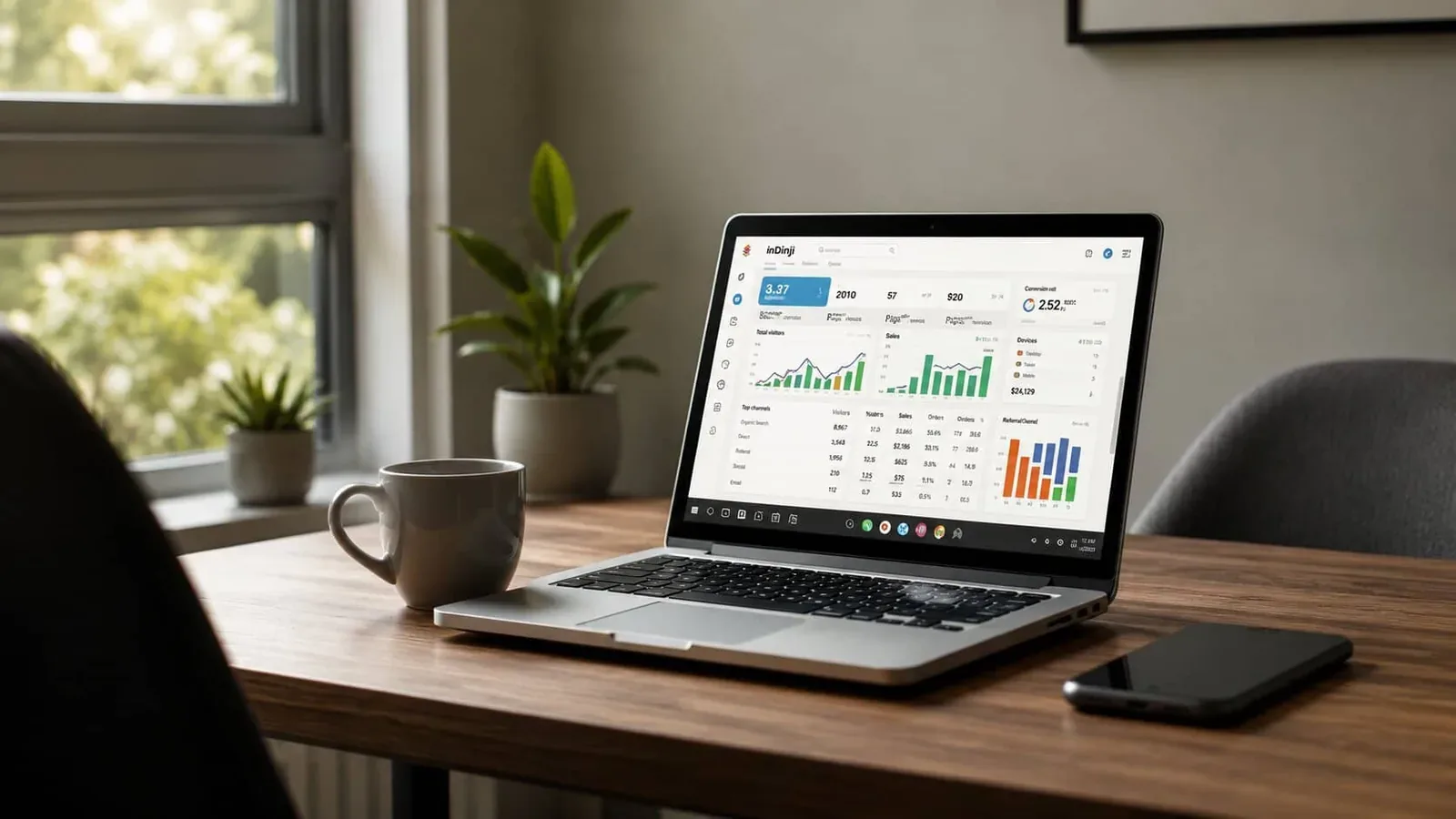
If you have decided you are on the logistics side of the line, four capabilities matter more than the rest: a client portal that customers will actually log into, item records with photos and condition history, recurring billing with auto-pay, and service requests for pickups and deliveries. Everything else is nice to have. These four are the difference between a tool that runs your business and a tool that adds work to it.
Whichever side of the line you sit on, the worst outcome is paying for software that solves the other category's problem. Take the two-question test, be honest about the answer, and pick accordingly.
Frequently asked questions
What's the difference between storage software and facility management software?
Facility management software is real-estate software — units, leases, gate codes, late fees, occupancy. Item-level storage software is logistics software — items, photos, locations down to the bin, service requests, portals, and recurring billing tied to what's stored, not just which unit is rented.
Which storage software do valet storage operators use?
Item-level storage and warehouse management software. Valet storage is fundamentally a logistics business — pickup, store, deliver — and facility management tools have no concept of items, pulls, or per-item billing.
Do I need item-level storage software if I run drive-up self-storage?
If customers always come and go with their own contents and you never charge for pickups, deliveries, or photography, facility management software will serve you well and probably cost less. The moment any of those change, item-level pays for itself.
Can one platform handle both self-storage and valet?
Item-level storage software can shrink to handle simple unit rentals, but facility management software can't grow to handle item-level workflows. If you might ever cross the line, start on the item-level side.
What features should item-level storage software include?
A customer portal customers will actually log into, item records with photos and condition history, recurring billing with auto-pay, and service requests for pickups and deliveries. Those four are the difference between software that runs your business and software that adds work to it.
How much does item-level storage software cost?
Stowley's plans start at $69/mo for the Basic tier and scale to Enterprise (custom). Annual billing saves roughly 20%. See pricing for the full breakdown.