AV Rental Inventory Management: From Spreadsheet Chaos to One Source of Truth
Sub-rentals, multi-day events, and gear that walks. Modern AV rental inventory software has to handle the messy reality of event production.
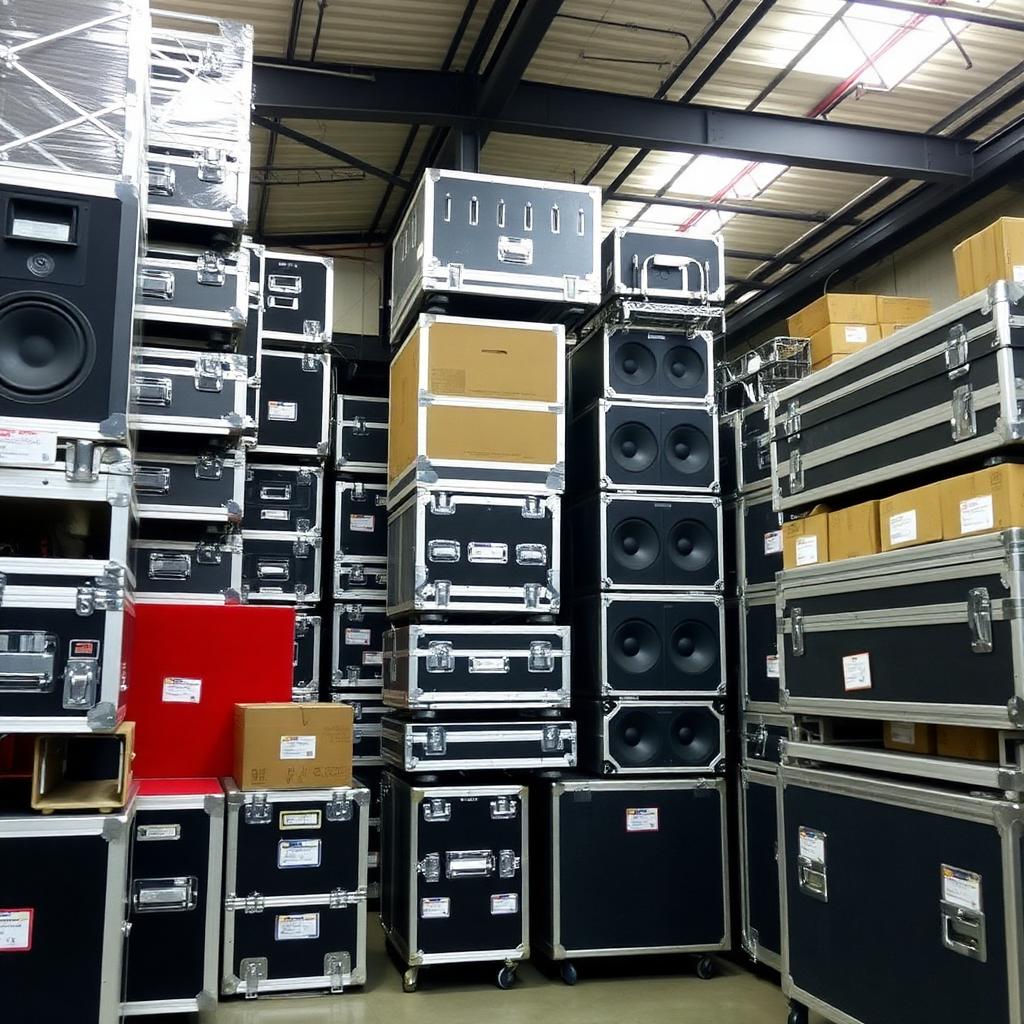
Ask any AV rental shop owner where their inventory data really lives, and the honest answer is usually: in three places at once. There's the official inventory system, the wall-sized whiteboard in the prep bay, and the master Excel file the senior tech keeps on a USB drive. All three disagree on Tuesday afternoons.
This isn't a discipline problem. It's a software problem. Most "rental software" was built for tool rental or party rental, where a tent goes out and a tent comes back and the SKU is the SKU. AV rental works differently: gear has serial numbers that matter, packages get assembled and broken down between every gig, sub-rentals fill gaps from competitors you'll see at the loading dock, and gear walks because tours forget which case belongs to whom.
What AV rental inventory software has to handle
There are five hard requirements that separate a real AV rental system from a generic rental tool:
- Serial-number tracking. Not just "we have eight EV ZLX-12s." Which exact unit went on which gig, last serviced when, and what's its current firmware. This matters for warranty, for service history, and for the inevitable customer call about the speaker that hummed.
- Package and sub-package management. A "small wedding package" is twelve serialized items in three road cases. The system has to let you build, edit, and dispatch packages as a unit, while still tracking the individual items.
- Conflict detection across overlapping bookings. When a multi-day corporate event runs Thursday through Saturday and a Friday night concert wants the same line array, the system should refuse to double-book before the salesperson hangs up the phone, not after.
- Sub-rental ledger. Tracking gear you don't own but are responsible for is its own bookkeeping problem. Where did it come from, what did it cost, when must it be returned, and which gig charged the client for it?
- Mobile prep and check-in. Techs in the prep bay should scan QR codes on road cases, confirm contents, and flag missing items from a phone. No clipboard.
If the software you're evaluating handles four of these and waves at the fifth, the fifth one will be the spreadsheet that everyone secretly uses.
The QR code conversation
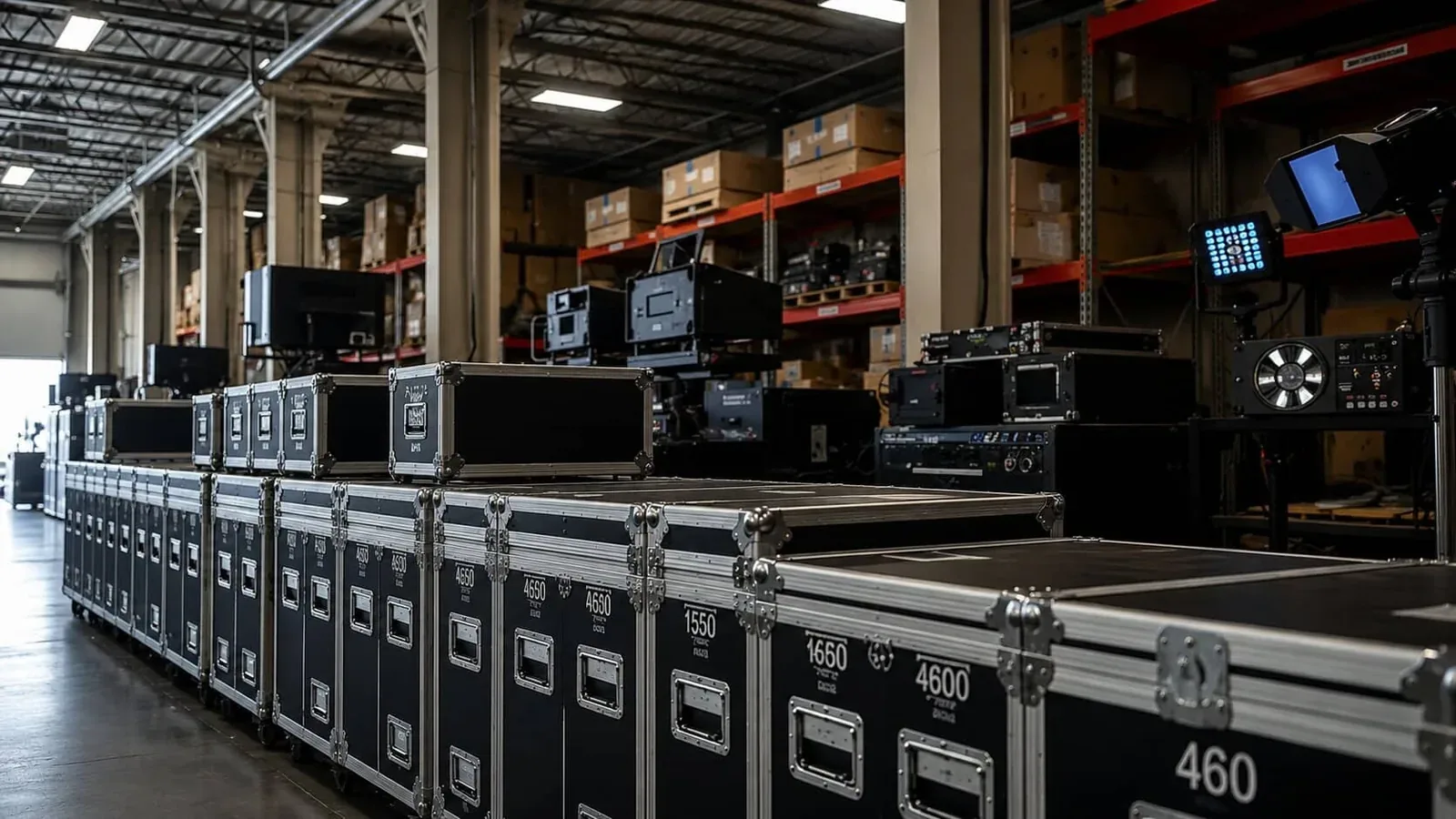
The single highest-ROI upgrade for most AV rental operations is putting QR codes on every road case and binding the code to a contents manifest. The case itself becomes a self-describing unit. A tech scans it on the way out, the system confirms everything that should be inside, and the gig manifest auto-populates.
Coming back in is the same flow in reverse. Anything missing flags immediately, while the truck is still being unloaded and the crew is still on site, instead of three days later when nobody remembers which gig had the wireless pack. The pickup also feeds maintenance and downtime tracking so a piece coming back damaged actually triggers a service record instead of disappearing into "we'll deal with it Monday."
Where teams over-engineer
A common pitfall: trying to barcode every cable and connector individually. The administrative overhead drowns the value. The right granularity for most shops is to barcode road cases, racks, and high-value individual items (line arrays, consoles, wireless racks, switchers, projectors). Consumables and low-value items belong on case manifests, not in the serialized inventory.
The reporting that pays for the software
Three reports earn back the subscription within the first quarter:
- Utilization by item. Which serial numbers are out more than 60% of the time and which are paperweights. The paperweights get sold, the workhorses get duplicated.
- Sub-rental spend by client. Reveals whether your "best" client is actually profitable after you net out the gear you have to rent in to cover their gigs.
- Loss and damage by gig type. Tells you which gig types are silently expensive, which usually means you need to reprice them or stop taking them.
Most shops never run these reports because the data is split across the official system, the whiteboard, and the spreadsheet. Once everything is in one place, the reports take seconds and the decisions get sharper.
What good looks like
The signal you've picked the right AV rental software is that the prep bay whiteboard slowly empties. Techs stop writing things down because the system already knows. The shop owner stops walking the warehouse on Friday night to verify what's actually on the trucks. The Monday-morning conversation moves from "what happened" to "what do we want to change."
That shift, from reconciling the past to planning the future, is what AV rental inventory software is supposed to deliver. Anything less is just a more expensive spreadsheet.