What 'White-Glove Delivery' Really Means in 2026 — And the Software Behind It
The phrase has been overused for a decade. Here's what white-glove delivery actually requires today, and the systems that make it possible.

Every furniture retailer, appliance store, and last-mile carrier now claims to offer "white-glove delivery." The phrase has been so thoroughly diluted that customers paying premium prices for it can no longer tell what they're getting. For operators who actually deliver true white-glove service, the kind where a uniformed crew shows up on time, places a piece exactly where the client wants it, and leaves the room cleaner than they found it, that's a marketing problem and a margin problem at the same time.
The good news is that customers can tell the difference instantly when they experience it. The bad news is that you can't deliver real white-glove service with the same software stack as a parcel-delivery company. The operational requirements are simply different.
What white-glove actually requires
True white-glove delivery is a sequence of small, expensive promises kept in order:
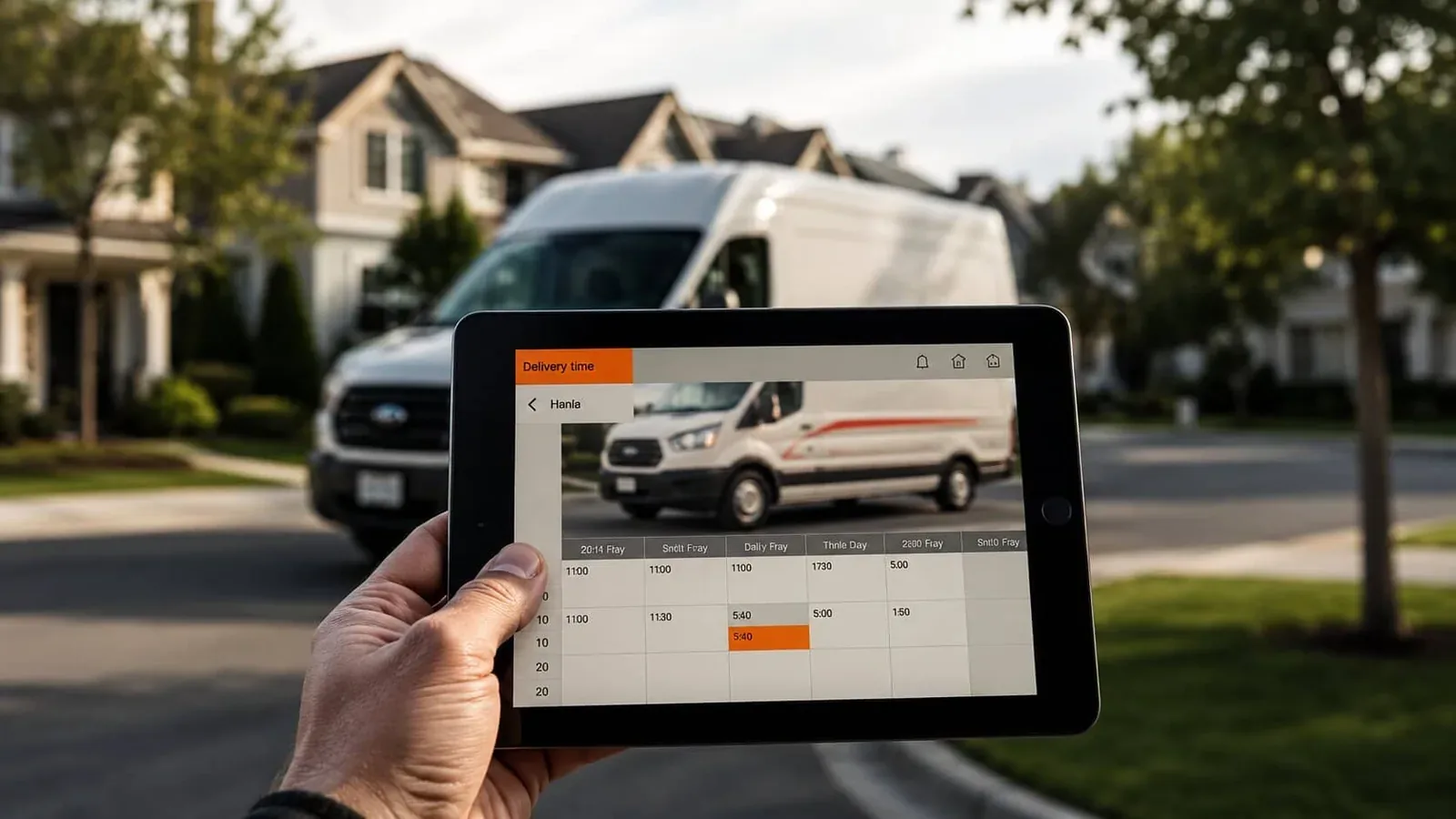
- A precise delivery window, narrower than a four-hour block.
- Advance communication, the client knows the crew's name and ETA before they arrive.
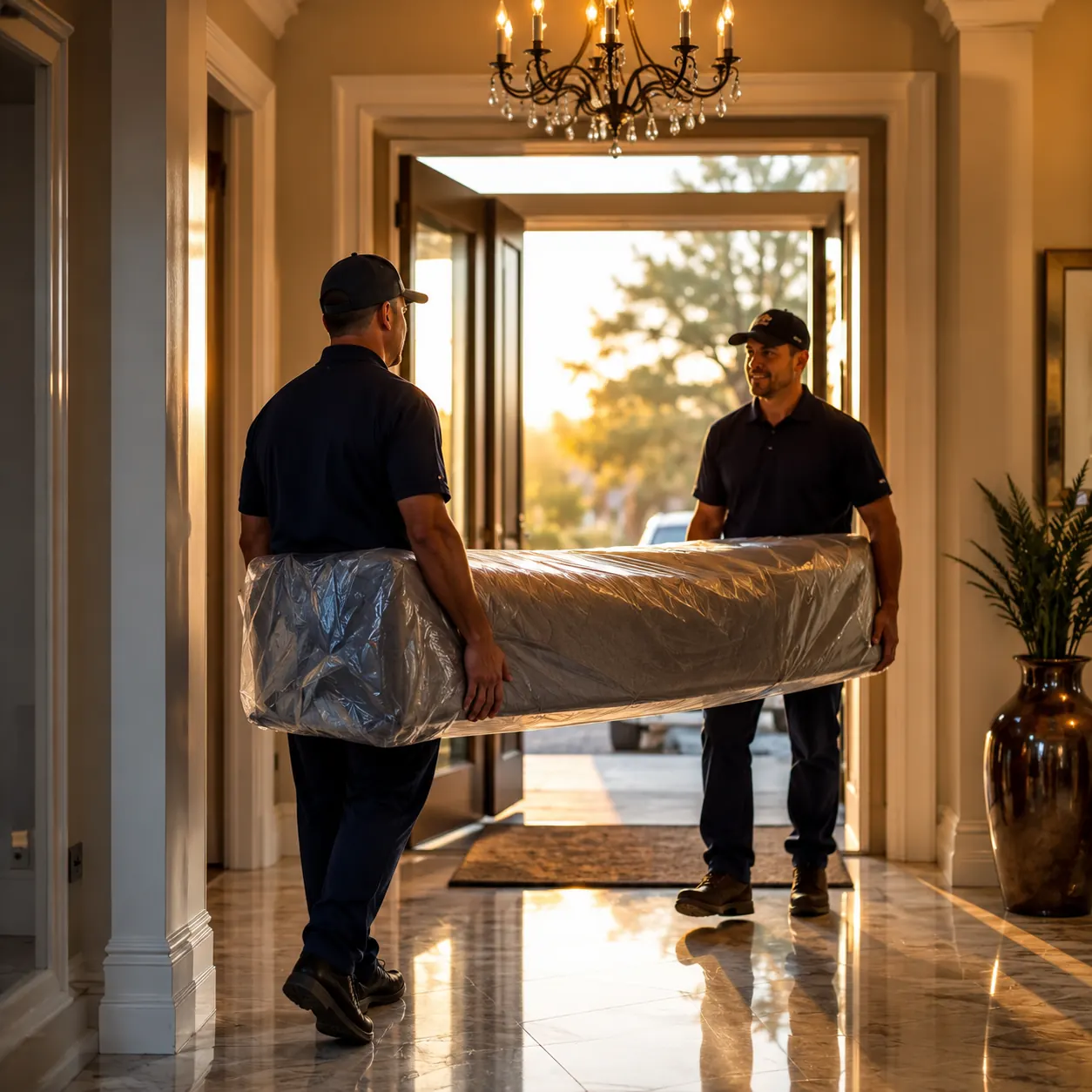
- Trained personnel, not gig drivers, with appropriate uniforms, shoe covers, and floor protection.
- Placement, not just delivery. The piece goes exactly where the client wants it, including upstairs and around tight corners.
- Assembly and debris removal when applicable.
- A clean, signed proof of delivery with photographs, not a scribble on a screen.
- Immediate escalation if anything is wrong, with a real person in the office reachable in minutes.
Each of those is solvable. None of them are solvable without software designed for it.
Where generic logistics tools fall short
The standard last-mile platforms are optimized for volume, thousands of stops a day, eight-hour shifts, low-skilled drivers, two-hour windows considered a luxury. They route well. They track well. They do not handle any of the things that make white-glove what it is.
They have no concept of "the crew leader's name should appear in the customer's confirmation email." They have no model for "the client wants the piece placed against the north wall and the box flattened and removed." They can't represent "this delivery requires two trained handlers, one of whom is certified to do basic assembly." Forced to use them, white-glove operators end up with a folder of side-spreadsheets, a private group chat, and a series of phone calls, exactly the chaos the software was supposed to eliminate.
What a white-glove platform looks like
A platform built for this work has a few non-negotiables. It treats each delivery as a small project, not a routing point. It carries client preferences and notes between deliveries, the dog's name, the freight elevator code, the door that doesn't latch, so the second delivery is better than the first. It produces a branded client portal where the client can see what's coming, when, and from whom, without ever calling the office. It generates condition photos and signed proof-of-delivery automatically into the job record.
And critically, it bills accurately. White-glove pricing has variables, flights of stairs, long carries, packaging removal, weekend delivery, that have to flow into the invoice without anyone re-entering them. Every minute of dispatcher time spent fixing an invoice is a minute of margin lost.
The trust feedback loop
The reason white-glove customers stay loyal is not the polish of any single delivery. It's the cumulative experience of being remembered. The crew that knew not to ring the doorbell because the baby was sleeping. The dispatcher who texted that traffic was bad and pushed the window an hour. The portal that showed exactly which pieces were stored and which were out for delivery without anyone having to ask.
Software is what makes that memory possible at scale. A single crew lead can hold twenty clients in their head. A growing operation cannot. The platform becomes the institutional memory, and white-glove service becomes the brand promise that the institutional memory makes good on.
The honest summary
If your customers are paying you a premium and your operations look the same as a parcel carrier's, you're either over-charging for the experience or under-investing in the systems that make it real. The companies that will own the white-glove category in the next five years are the ones treating it as a software-enabled service business, not a freight category. The phrase will keep getting abused, but the experience won't lie.
Frequently asked questions
What does white-glove delivery actually include?
A narrow delivery window, advance communication with crew name and ETA, trained personnel with floor protection, exact placement (not just drop-off), assembly and debris removal where applicable, photographic proof of delivery, and a real person reachable in the office in minutes if something goes wrong.
How is white-glove different from standard last-mile delivery?
Standard last-mile is optimized for parcel volume — thousands of stops, gig drivers, 2–4 hour windows. White-glove treats each delivery as a small project: trained crews, 1–2 hour windows, named handlers, client preferences carried between visits.
Why can't generic logistics software handle white-glove?
Generic last-mile platforms have no concept of a named crew lead in the confirmation email, no model for client placement preferences, and no way to represent that a delivery needs two certified handlers. Forced to use them, white-glove operators end up running a folder of side spreadsheets.
What features should white-glove delivery software have?
Branded client portal, item-level records with intake photos, service requests with scheduling, recurring storage billing, a crew mobile app, and per-delivery client preferences that travel between visits. See our white-glove delivery software buyer's checklist.
How narrow should white-glove delivery windows be?
Two hours is the floor; one hour is the modern standard for luxury clients. Anything wider than four hours feels like a hostage situation to a client who paid a premium.
How do you charge for white-glove delivery?
Most operators use a base rate plus variables: flights of stairs, long carries, assembly time, packaging removal, and weekend/after-hours surcharges. Good software flows those variables into the invoice automatically.