Climate, Security, and Software: Running a Modern Art Storage Vault
Climate sensors and access logs are table stakes. The real differentiator for fine-art storage in 2026 is how the data ties back to each piece.
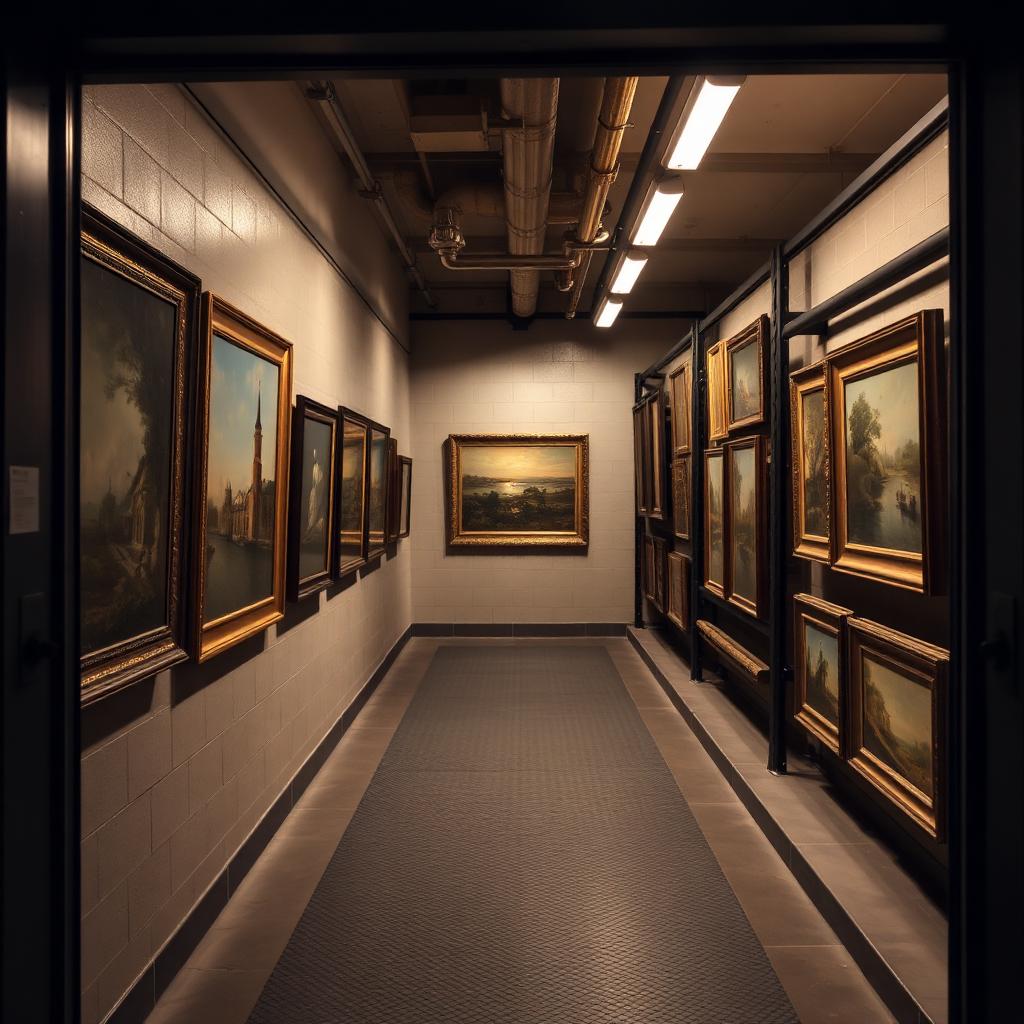
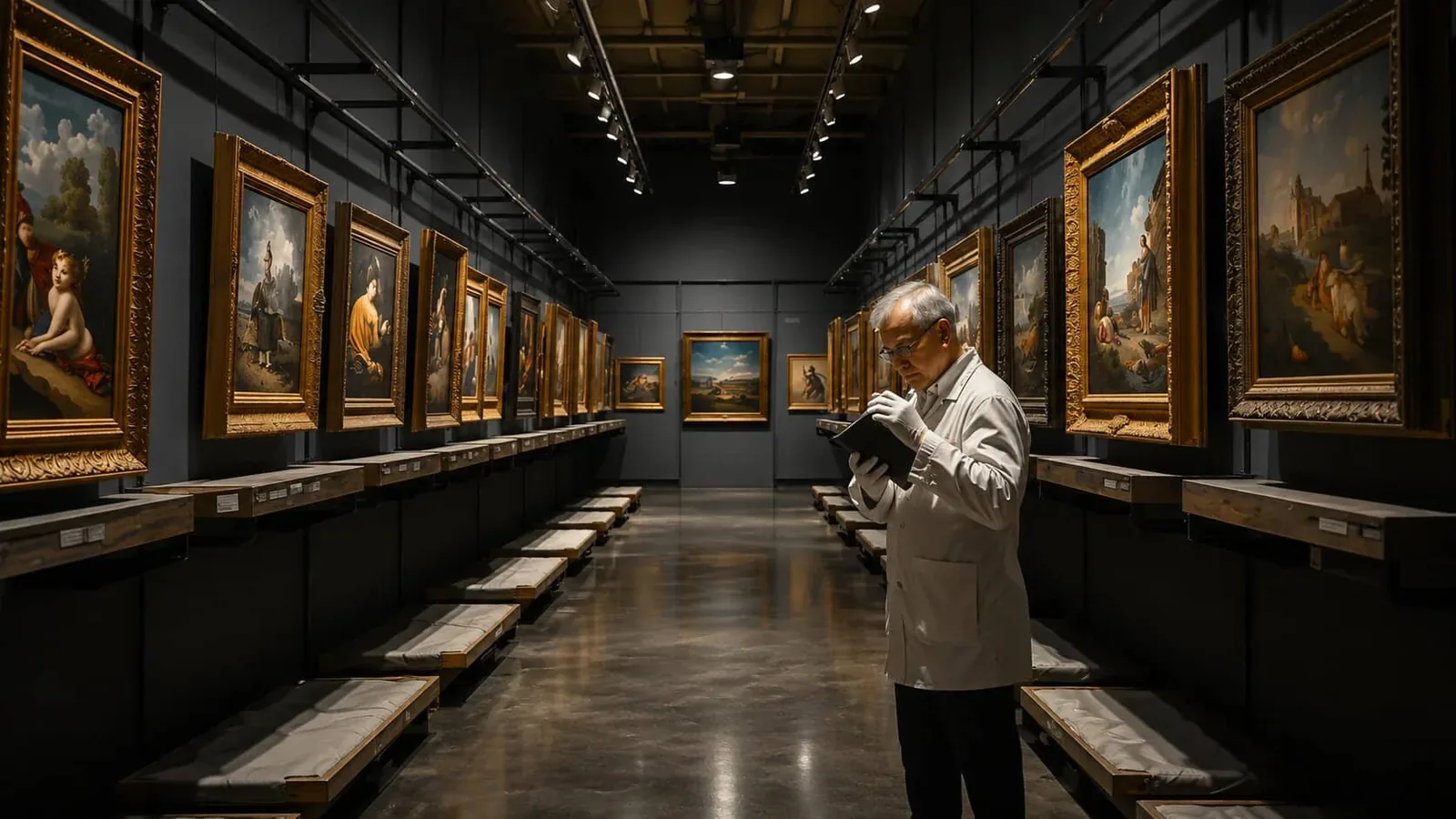
Fine-art storage is one of the few warehouse categories where the building itself is part of the product. Collectors, galleries, foundations, and lenders pay a premium because the vault is climate-controlled, fire-suppressed, access-controlled, and continuously monitored. None of that is optional. All of it is expected.
What separates a modern art storage operation from a competent one in 2026 is not whether climate data exists, it's whether that data is tied to the individual piece. A temperature chart that lives in the building-management system is a compliance artifact. A temperature chart that's attached to the record of the Modigliani drawing in Vault B is risk management.
The four data streams that matter
A serious art storage vault generates four continuous streams of data, and all four need to land in the same place:
- Climate. Temperature and relative humidity, per room or per micro-zone, sampled at least every fifteen minutes.
- Access. Who entered which vault, when, and on whose authorization.
- Movement. Every time a piece is taken off a rack, moved between rooms, or pulled for transport.
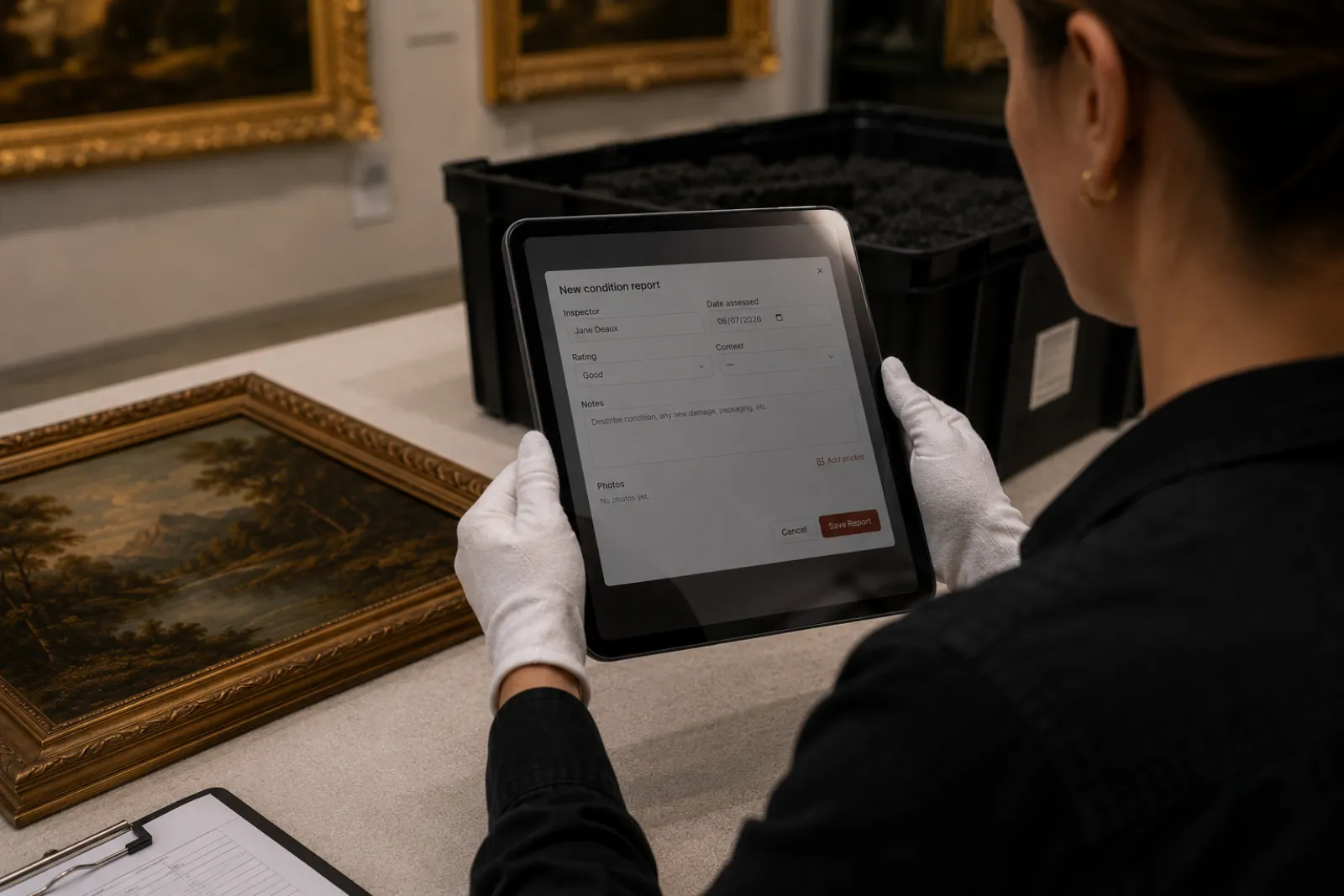
- Condition. Photos and notes from intake, every inspection, and every release.
When these four live in separate tools, each individual tool can be excellent and the operation is still vulnerable. The question a client or insurer asks is not "what was the humidity in Vault B last March?" It is "show me everything that happened to this piece between intake and release." If you can answer that in under sixty seconds, you have a modern operation. If you can't, you have homework.
Why per-piece data is the real moat
The competitive landscape in fine-art storage is shifting. Climate control and physical security are now table stakes; clients assume them. The differentiator is the client portal, and specifically what the client can see about their own collection without having to call you.
A modern art storage portal shows the client a list of their pieces, the current location of each, the last condition report, the climate history of the room each piece lives in, and a complete movement log. They can request a viewing, a loan, or a transport from the same screen. The vault becomes self-service for everything except the physical handling.
This kind of transparency used to be a hard sell internally because it felt like exposing risk. In practice, it does the opposite: clients who can see everything trust the operator more, ask fewer "where is X" emails, and refer more business. Operators who hide the data behind manual reporting find themselves answering the same questions over and over and losing accounts to operators who don't.
What sensors and software should look like together
The cheapest mistake is buying a great sensor system and a great storage software system and never connecting them. The right setup writes climate readings into the item record automatically, so when a condition report is opened next month, the temperature and humidity history for that piece's exact location is one click away. Same for access logs: the system knows who handled what, when, and under whose authority, because the badge swipe and the inventory transaction reference the same record.
If your current stack can't do this, the migration path is usually:
- Centralize the item records first, with photos, dimensions, and current location.
- Pipe climate sensor data into the same database, keyed by room or zone.
- Connect access control logs as the third stream.
- Move condition reporting into the same system so the loop closes.
Insurance and provenance side effects
Two underrated benefits show up once the data is unified. Insurance renewals get easier because you can produce the climate, access, and condition history for the whole collection on demand instead of building a one-off report. And provenance documentation, which used to mean a folder of PDFs handed off at sale, becomes a continuous, queryable record that travels with the piece.
For high-value works, that continuous chain of custody is increasingly what buyers and auction houses expect. The vault that can produce it instantly is worth a meaningful premium over the one that has to assemble it from email threads.
Where to start if you're behind
The honest version: most art storage vaults in operation today have great physical security and patchy digital records. The fix isn't a rebuild, it's a sequencing project. Start with item-level intake for everything that comes in from this point forward, pipe climate data into those records, and backfill the existing inventory in a planned wave rather than trying to do it all at once.
The vaults that started this work two years ago are already winning the renewals. The ones starting today will catch up faster than they think, because the software is finally built for the way this category actually operates.